How UK Data Privacy Rules Shape Verification Steps for Crypto Deposits in Multi-Game Mobile Apps
Written by Greta Peters · Aug 20, 2026
How UK Data Privacy Rules Shape Verification Steps for Crypto Deposits in Multi-Game Mobile Apps
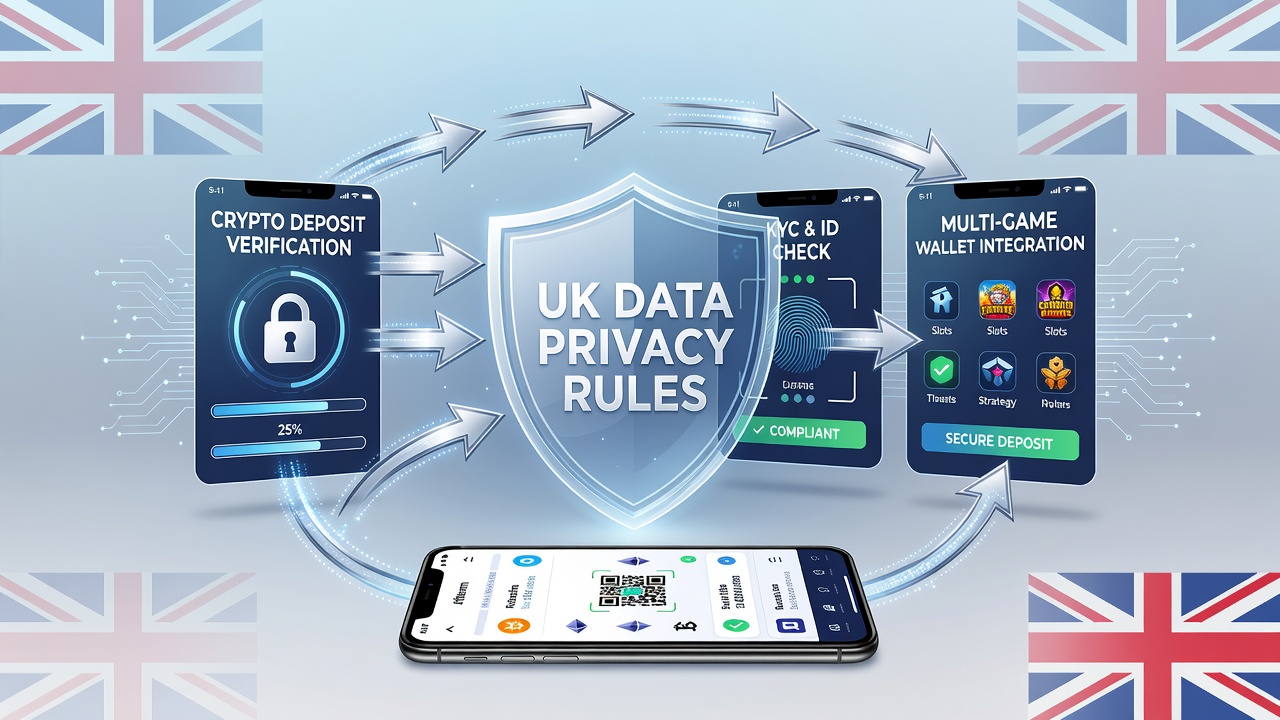
UK data privacy regulations continue to influence how developers handle user information during crypto deposit processes in multi-game mobile applications, and these frameworks require careful alignment between verification needs and data protection obligations. The UK GDPR along with the Data Protection Act 2018 set strict limits on personal data collection, processing, and storage, which directly affects the steps apps must follow when users fund accounts with cryptocurrency. Developers must balance anti-money laundering checks with principles such as data minimisation and purpose limitation, and this creates structured workflows that avoid unnecessary data exposure.
Core Elements of UK Data Privacy in Crypto Contexts
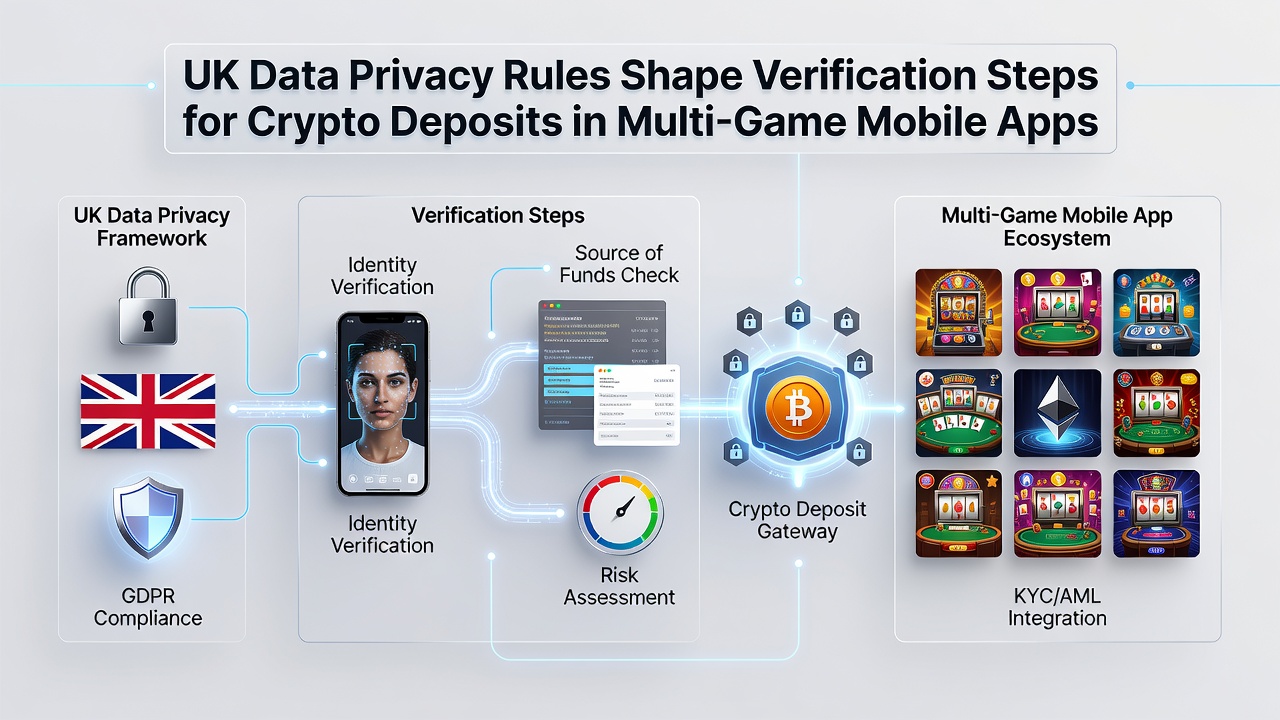
Researchers at various institutions have documented how consent mechanisms form the foundation for any verification activity involving crypto deposits, and users receive clear notices before any identity documents or wallet addresses undergo review. Data controllers in mobile app environments collect only the minimum information required for compliance, which often means separating wallet transaction data from full personal identifiers unless a specific risk trigger appears. Observers note that encryption standards and secure storage protocols receive particular attention because breaches in multi-game platforms could expose details across several titles at once, and this interconnected nature raises the stakes for proper implementation.
Verification Workflows Under Privacy Constraints
Multi-game mobile apps typically initiate verification through a tiered system where basic wallet address confirmation precedes deeper checks, and this approach allows initial deposits while deferring extensive data gathering until higher thresholds trigger additional requirements. Experts have observed that biometric options such as facial scans undergo hashing and local processing in many cases to reduce transmission of raw images, whereas traditional document uploads receive encryption before reaching third-party verification services. When regulatory thresholds for crypto transactions activate, apps request supplementary details only after obtaining renewed consent, and this sequential method helps maintain compliance across different game modules within the same application.
August 2026 marks the scheduled rollout of updated guidance from several European data protection authorities on emerging technologies in financial services, and developers in the UK sector have begun preparing interfaces that accommodate these anticipated refinements to cross-border data transfer rules. The changes focus on enhanced transparency for algorithmic decision-making during crypto verification, which means apps may need to provide users with explanations when automated systems flag certain wallet patterns. Industry reports indicate that such updates build upon existing frameworks without introducing entirely new legislation, and this continuity allows teams to adapt existing consent flows rather than redesign core systems from scratch.
Technical Adaptations in Mobile App Development
Developers integrate privacy-by-design principles early in the architecture phase, which leads to features like on-device data validation before any server transmission occurs, and this reduces exposure during the deposit sequence. According to guidance from the Information Commissioner's Office, organisations must document lawful bases for each data processing activity, and crypto deposit flows often rely on legal obligation combined with user consent to satisfy both privacy and financial rules. Multi-game platforms face additional complexity because transaction logs from one title might inform risk assessments in another, yet privacy rules prohibit unrestricted data sharing across modules without explicit justification.
Case studies from app studios reveal that wallet screening tools now incorporate differential privacy techniques to mask individual transaction details during aggregate analysis, and this method supports compliance monitoring without revealing user-specific patterns. Those who've implemented these systems report smoother audit processes because logs contain aggregated metrics rather than raw identifiers, and the approach aligns with recommendations from research institutions studying fintech privacy. Yet challenges persist when users operate across multiple jurisdictions, since data residency requirements can conflict with the decentralised nature of blockchain records.
Impact on User Experience and Compliance Metrics
Users encounter streamlined prompts that explain why certain information gets requested at each stage, and this transparency reduces drop-off rates during deposit flows according to aggregated industry figures. Research indicates that apps adopting granular consent toggles for different verification levels see higher completion rates, while platforms that bundle all requests into a single form experience more user hesitation. The reality is that privacy rules encourage modular design in verification steps, allowing users to complete basic crypto funding quickly while deferring advanced checks until activity warrants them.
Another layer involves third-party service providers who perform sanctions screening or address verification, and contracts with these entities must specify data retention periods along with deletion protocols once the purpose expires. A study by researchers at the University of Toronto's Citizen Lab examined similar practices in financial apps and found that clear retention policies correlate with fewer complaints to supervisory authorities, and the findings apply equally to multi-game environments handling crypto. Developers therefore maintain audit trails that demonstrate compliance without retaining personal data longer than necessary.
Conclusion
UK data privacy rules continue to define the boundaries within which crypto deposit verification operates in multi-game mobile apps, and ongoing adaptations reflect both regulatory evolution and technological capabilities. The frameworks emphasise accountability through documented processes and user-centric design choices that limit data collection to essential elements. As August 2026 approaches, preparations for refined guidance on automated decisions underscore the need for flexible systems that accommodate future adjustments while preserving core protections. These dynamics ensure that verification remains effective for compliance purposes without compromising the privacy standards established under current legislation.