Gambling Sector Contractions Emerge After 2025 Budget Tax Adjustments
Written by Quinn Richter · Aug 25, 2026

Gambling Sector Contractions Emerge After 2025 Budget Tax Adjustments
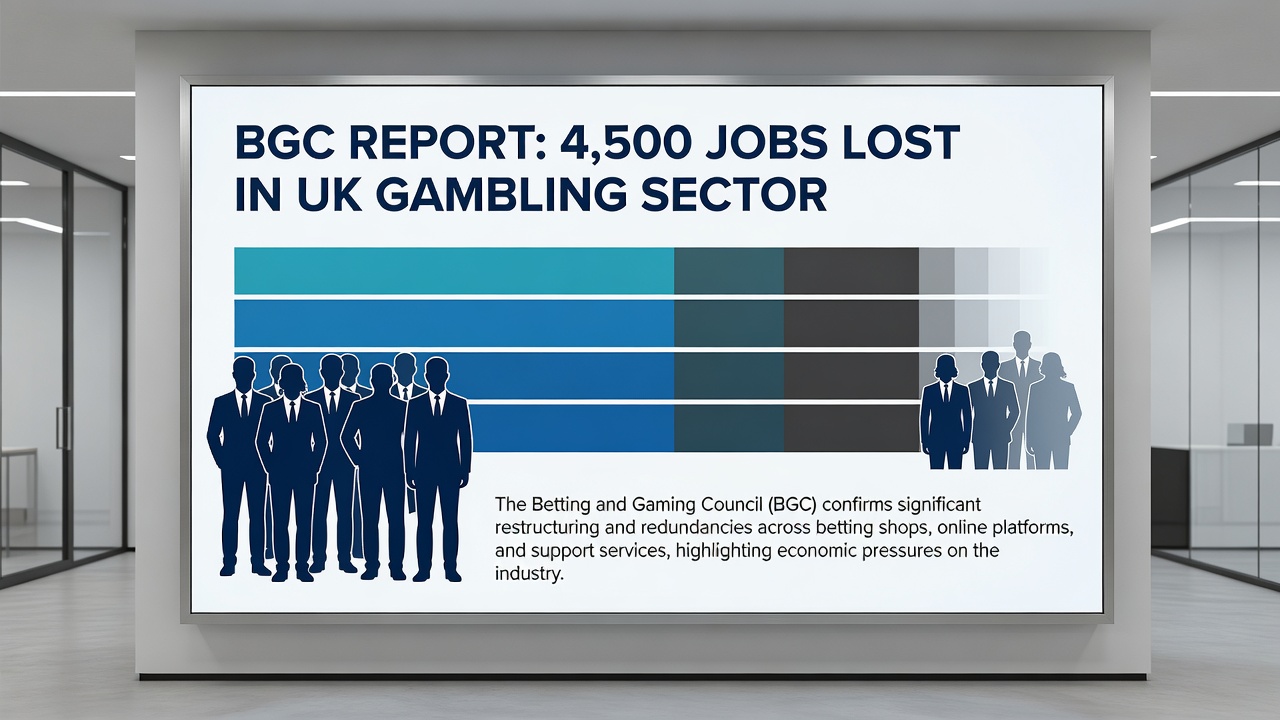
The Betting and Gaming Council has documented 4,500 jobs lost in the UK gambling sector along with 540 high-street betting shop closures since the 2025 Budget took effect, and these figures reflect direct responses to doubled remote gaming duty rising from 21% to 40% starting April 2026 plus a new remote betting duty rate scheduled for April 2027.
Observers note that BGC CEO Grainne Hurst issued warnings about additional pressures from the upcoming tax changes while the Treasury maintains that high-street shop duty rates remain unchanged and disputes any direct link between government policy and the reported closures.
Breakdown of Reported Industry Shifts
Data compiled by the BGC tracks employment reductions and shop closures across multiple operators since the Budget announcement, and these statistics cover both remote operations facing the immediate duty increase plus physical retail locations experiencing broader market adjustments, while figures reveal that the remote gaming duty hike applies specifically to online platforms yet coincides wth wider sector contractions that include high-street sites.
Analysts tracking these developments point out that the new remote betting duty rate begins in April 2027, creating a phased implementation that allows operators time to recalibrate business models, and industry statements emphasize how combined tax measures affect staffing decisions and outlet viability in regions where footfall has already declined over recent years.
Timeline and Policy Context
The 2025 Budget outlined these duty modifications with the remote gaming change becoming active in April 2026, and by August 2026 operators had already reported the cumulative impact through job reductions and shop consolidations, whereas the Treasury response highlights that physical betting shop duty structures stayed constant throughout this period, suggesting other market factors may contribute to the observed trends.
Those monitoring the sector note that the phased rollout means further adjustments lie ahead once teh remote betting duty activates in 2027, and this sequence of changes creates ongoing planning requirements for companies balancing compliance costs against revenue streams from both online and retail channels.
Stakeholder Positions on Causation
BGC representatives attribute the job losses and closures primarily to the tax increases introduced in the 2025 Budget, and they project continued strain as additional duty modifications approach, while Treasury officials counter that unchanged high-street duty rates indicate alternative drivers behind retail site reductions, including shifts in consumer behavior and competition from digital alternatives.
Evidence presented in industry tracking shows the 4,500 positions eliminated span various roles from retail staff to support functions, and the 540 closed shops represent a measurable contraction in physical presence that aligns temporally with the duty adjustments yet occurs alongside stable tax treatment for those same locations according to government statements.
Further details from sector reports connect these outcomes to operator strategies for managing higher remote gaming costs, and observers note that companies have consolidated operations to maintain viability under the revised 40% rate, whereas the dispute over causation centers on whether policy changes alone account for the scale of reductions or if pre-existing trends accelerated the process.
Operational Adjustments Across the Sector
Operators responding to the doubled remote gaming duty have implemented workforce reductions and site rationalizations since April 2026, and these measures coincide with preparations for the 2027 remote betting duty introduction that will extend similar cost considerations to additional betting products, while data indicates the cumulative effect includes both direct employment impacts and indirect effects on supply chains serving the gambling industry.
People familiar with the reporting process describe how the BGC aggregates figures from member companies to produce the 4,500 job loss total and 540 closure count, and this methodology captures verified reductions occurring after the Budget measures took hold, although the Treasury maintains its position that high-street duty stability rules out policy as the sole explanation for retail changes.
Additional context shows that the April 2026 effective date for remote gaming duty allowed several months of advance planning before full implementation, and by August 2026 the recorded impacts had already materialized in staffing and outlet numbers, whereas the upcoming 2027 rate change introduces another variable that industry groups continue to monitor for potential further effects.
Conclusion
The reported figures from the BGC alongside the Treasury response establish two distinct interpretations of the same events, and the 4,500 jobs plus 540 closures stand as documented outcomes following the 2025 Budget tax modifications with remote gaming duty at 40% since April 2026 and remote betting duty pending from April 2027, while the ongoing discussion centers on attribution between policy changes and other market dynamics in a sector undergoing measurable contraction.